Crafting a Custom Windows OS Template
Administrators in an organization have the ability to build a personalised OS template, suitable for spinning up remote desktops. It’s also a handy way to apply your own operating system licence.
The following steps are critical for a successful image creation. Pay close attention.
Important:
About Disk Partition
1. The customized template accepts only one disk partition, or two at most: an EFI/Boot partition plus a separate system and data partition.
2. LVM partitioning is not supported – please avoid it.
3. Using an incorrect partition layout will break features like automatic disk resizing and machine naming.
Windows
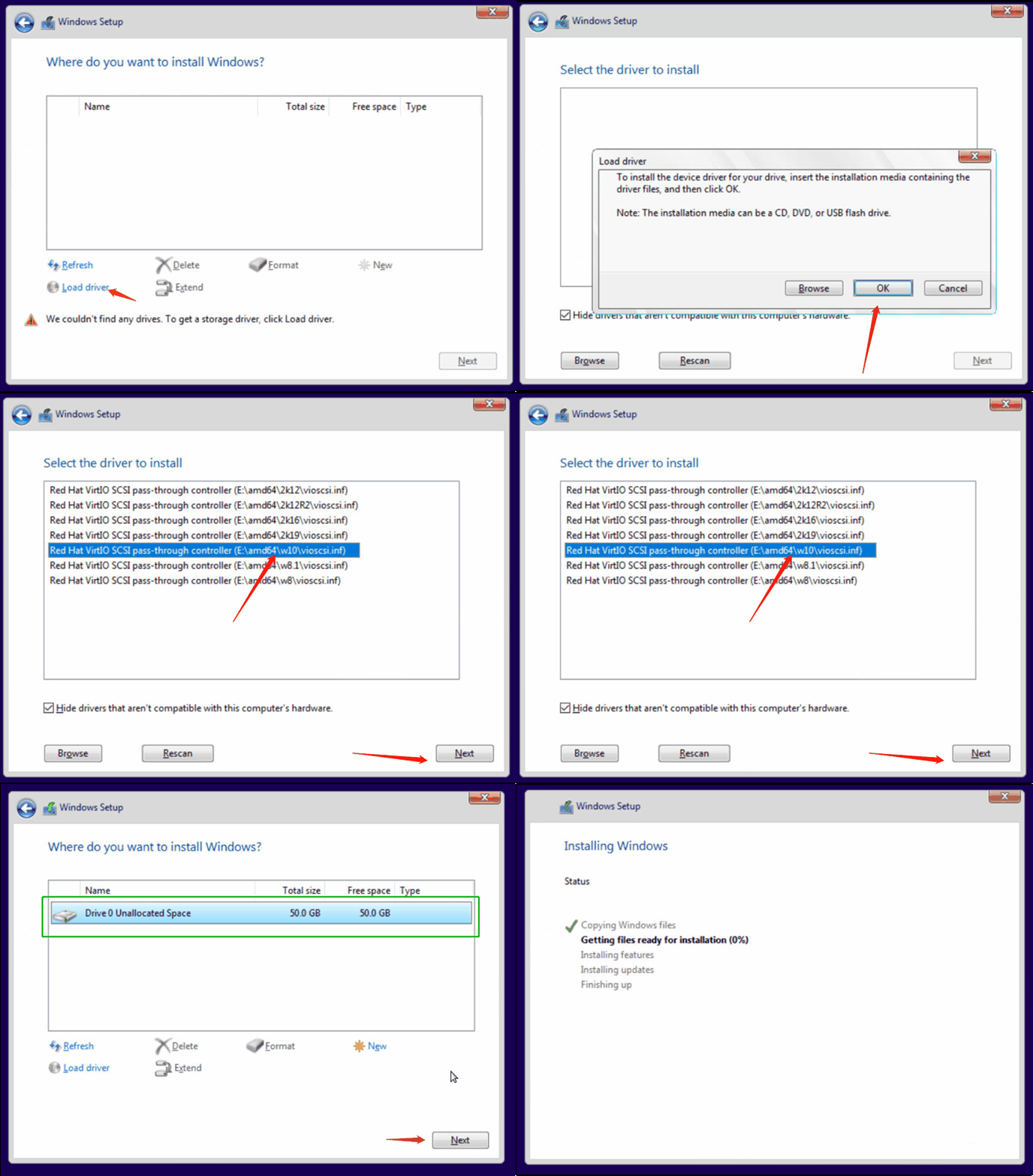
1. Install the "Red Hat VirtIO SCSI pass-through controller"
When you reach the “Where do you want to install Windows?” screen, click "Load drivers" and pick the appropriate driver. The storage drive should then appear.
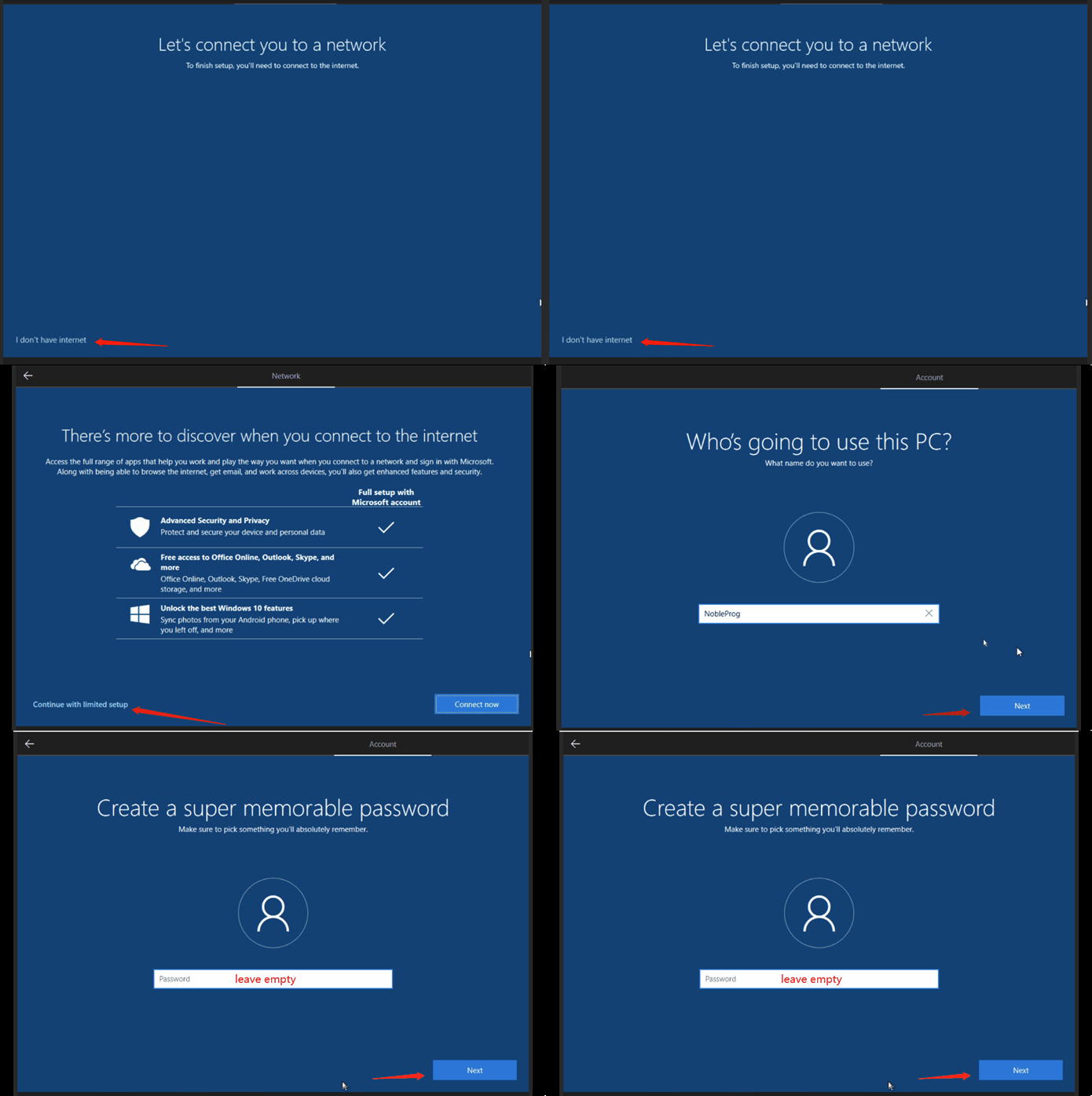
2. Initial Setup
On the “Let’s connect you to a network” prompt, select I don't have internet.
When you see “There’s more to discover…”, click Continue with limited setup.
Pick any username but leave the password field blank.
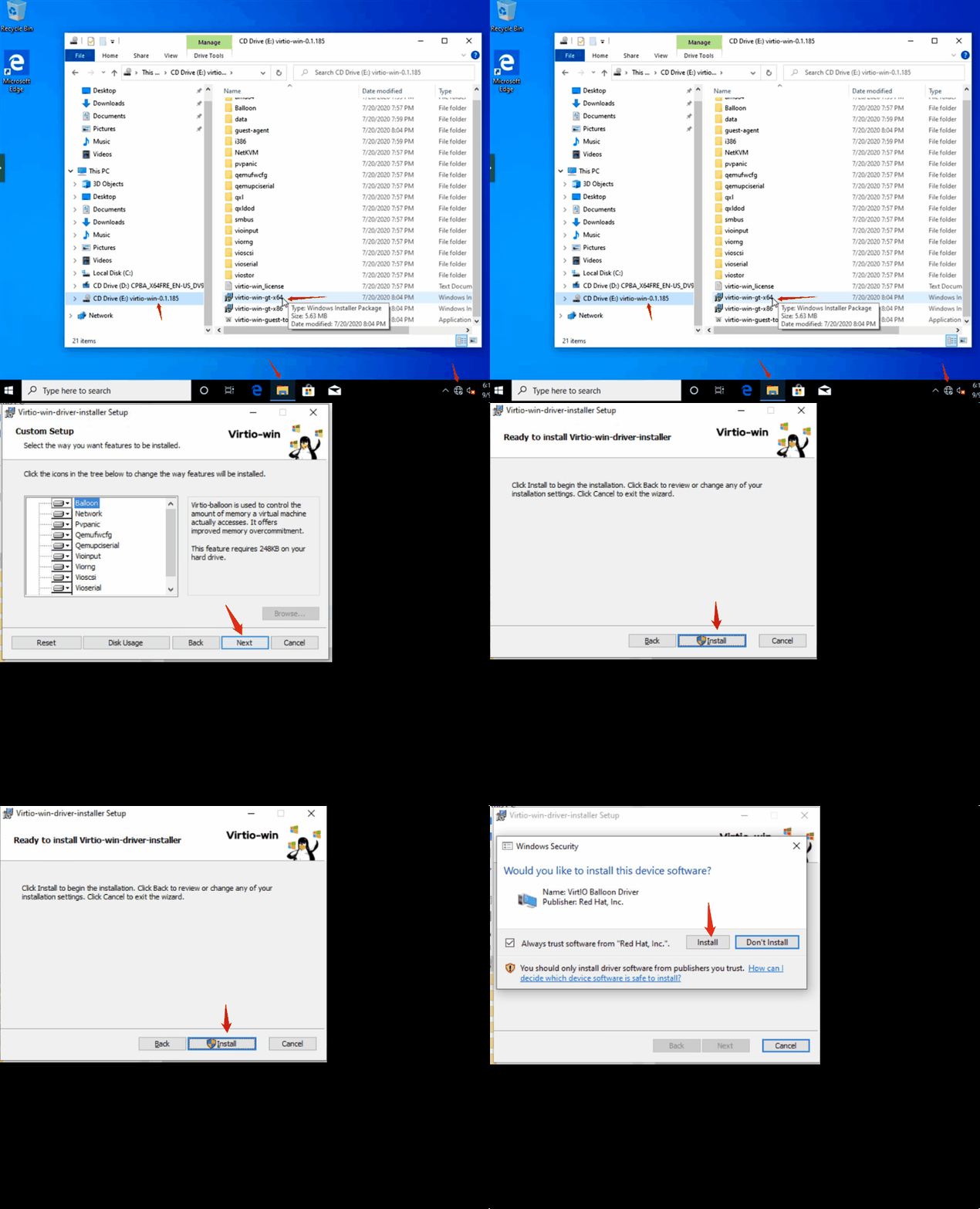
3. Install Virtio-win drivers and guest agents
Once the machine boots and you’re logged in, open CD Drive E and run Virtio-win-guest-tools. This installs the VirtIO drivers along with the spice vdagent and qemu guest agent. Just keep clicking next and OK to finish.
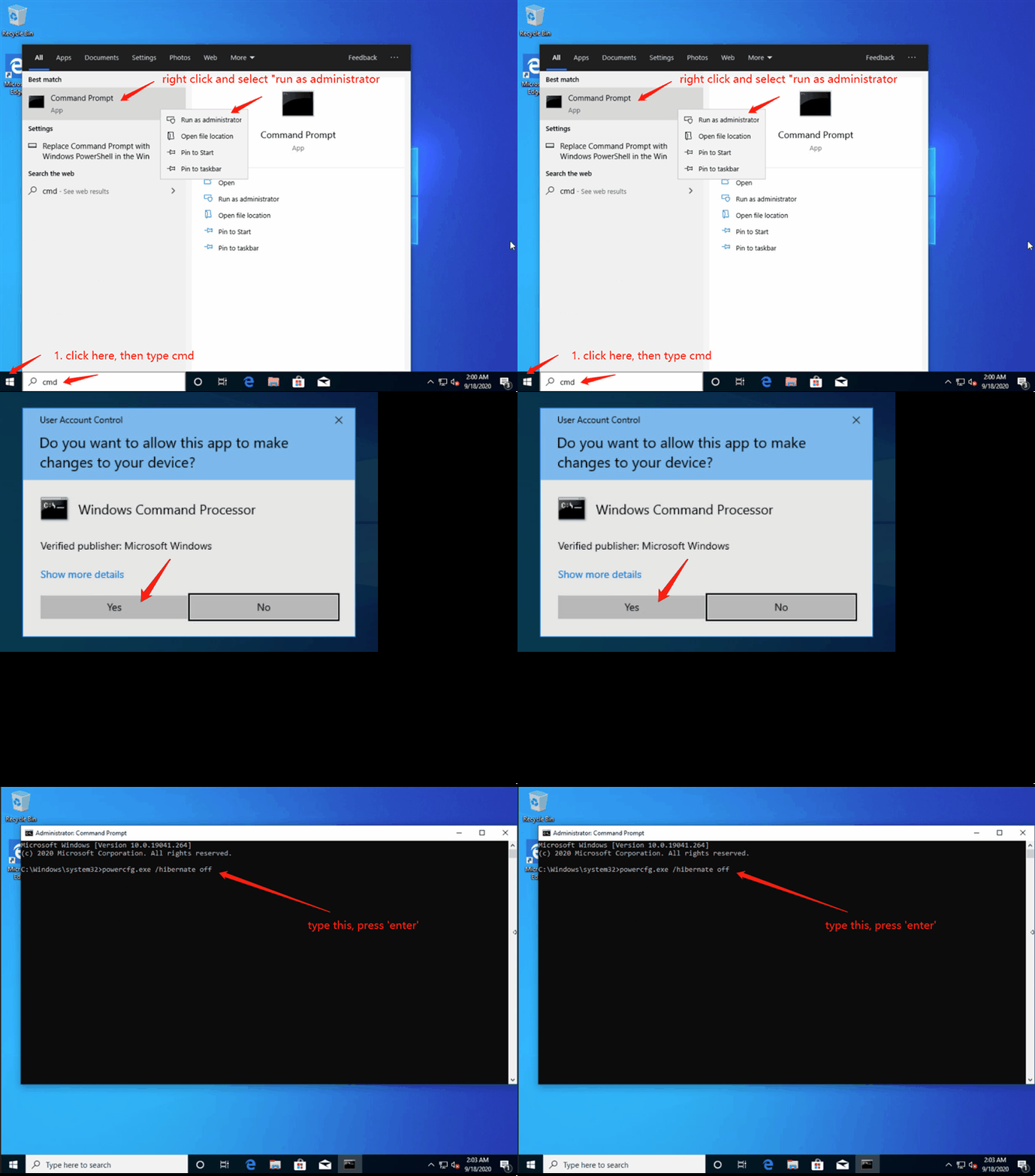
4. Disable Hibernate
Right-click “Command Prompt” and choose “Run as administrator”, then enter "powercfg.exe /hibernate off" and press Enter.
5. Enable Shutdown/Restart Windows 10 without Any Prompts
In the registry editor, browse to this key HKEY_USERS\.DEFAULT\Control Panel\Desktop.
Create a new String Value called AutoEndTasks and set its data to 1.
6. Check if the required services exist and set them to "Automatic Start"
- Spice-Vdagent : for support of qemu vnc clipboard
- BalloonService: for guest memory usage stats


7. Install and configure TightVNC to allow proper VNC connections
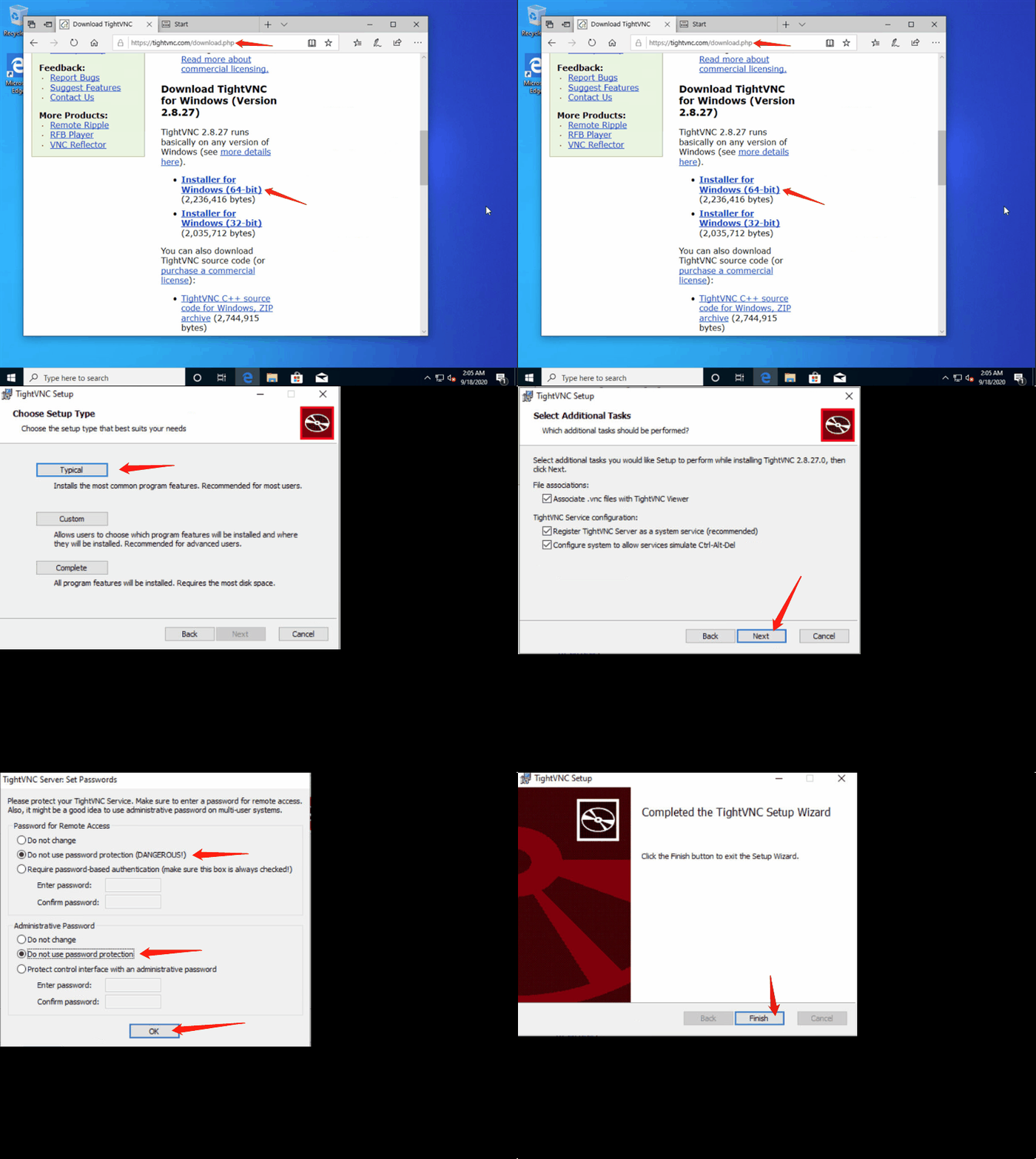
Download the TightVNC for Windows installer from https://www.tightvnc.com/download.php.
Run the installer and, when it finishes, turn off authentication.
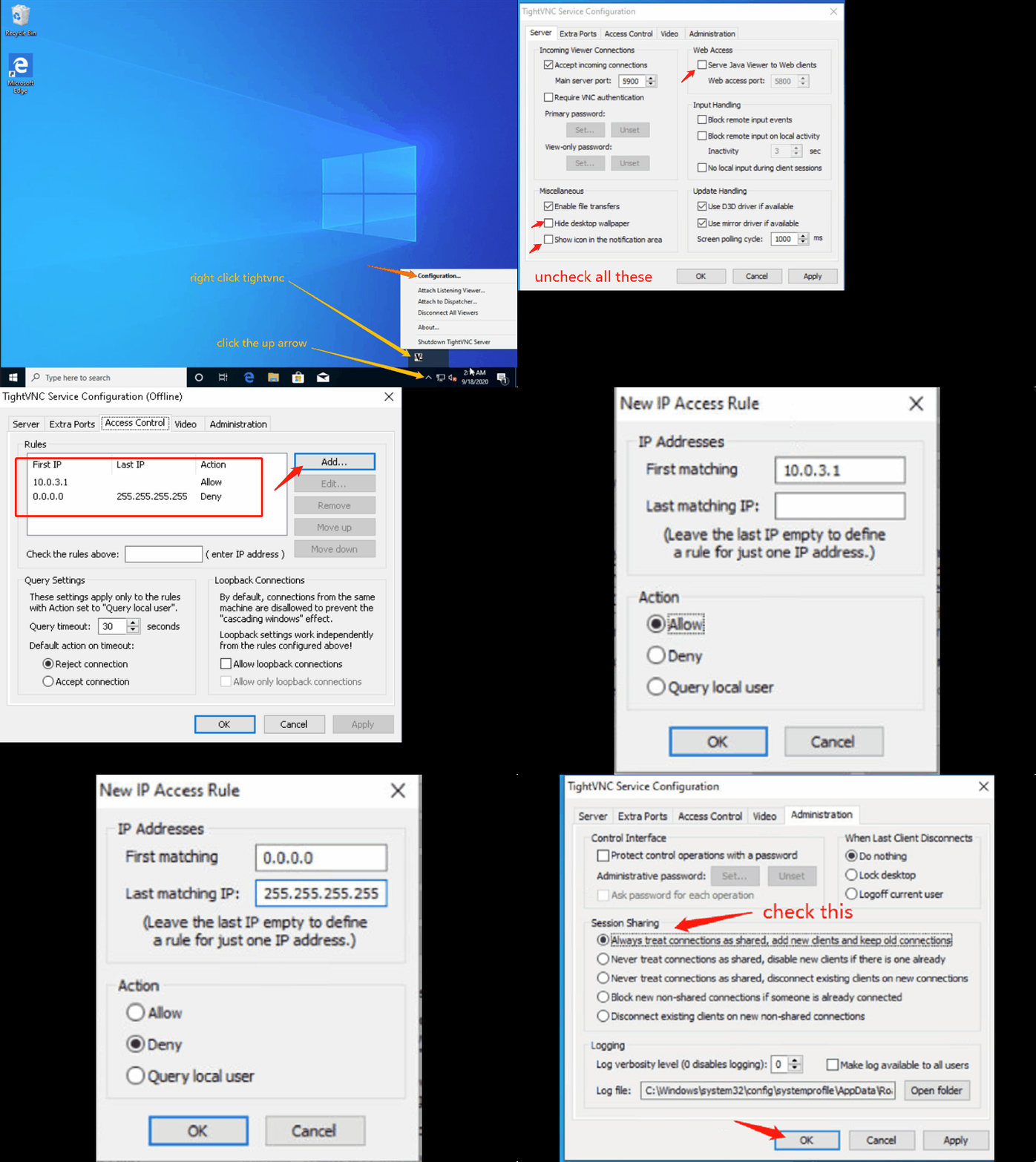
Open the “TightVNC service configuration” tool and set it up as shown.
8. Enable Shared-drive
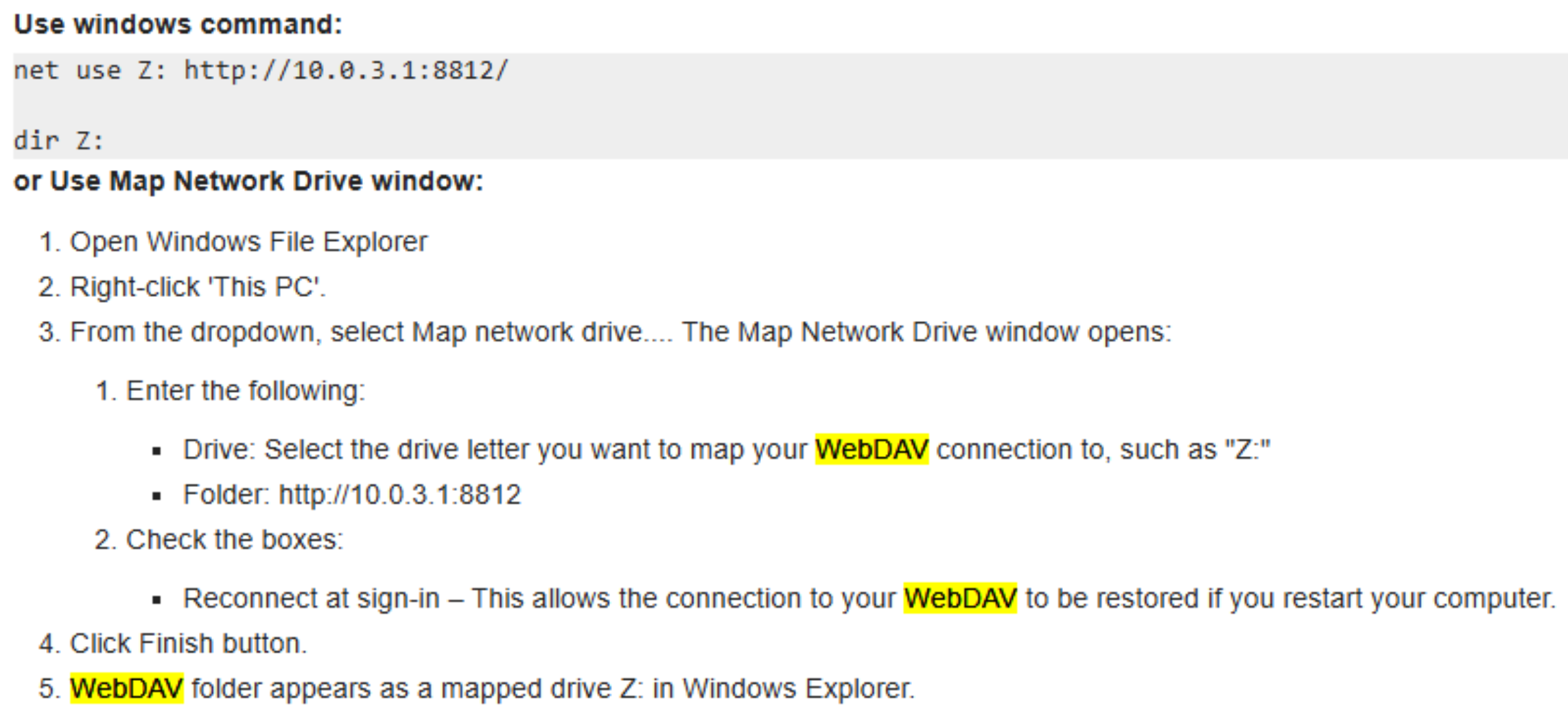
Shared-drive lets cloud desktop users exchange files during training sessions or between their personal PC and the cloud desktop. It relies on WebDAV technology. Before use, you must map the hard drive – the screenshots below show you how.
9. Shut down Windows properly
Click the Windows icon in the bottom‑left corner, then Power → Shut down.
Please Note
To incorporate additional optional features, such as
- DDWebdav – enables a trainer’s content folders to be synced to each participant’s machine,
- or DDUpload – for effortless file uploads inside a DaDesktop instance;
Get in touch with DaDesktop Tech Support.